
Jump Start vs Battery Replacement: Which Do You Need?
You turn the key. Nothing. Maybe a weak clicking sound, maybe complete silence. The dashboard flickers or stays dark. Your car is dead — and the immediate question is whether a simple jump start will fix the problem or whether you are looking at a full battery replacement.
The answer matters because it determines what you spend, how long the fix lasts, and whether the same problem will leave you stranded again tomorrow morning. A jump start is a temporary boost that gets a drained battery running again — but if the battery itself has failed, no amount of jumping will give you a permanent fix.
At Quebec Remorquage, our battery boost service is one of our most frequent calls — especially during Quebec’s brutal winters. This guide walks you through exactly how to tell whether a jump start or a new battery is the right solution, what each costs, and what steps to take right now if your car is dead.
What Is a Jump Start and When Does It Work?
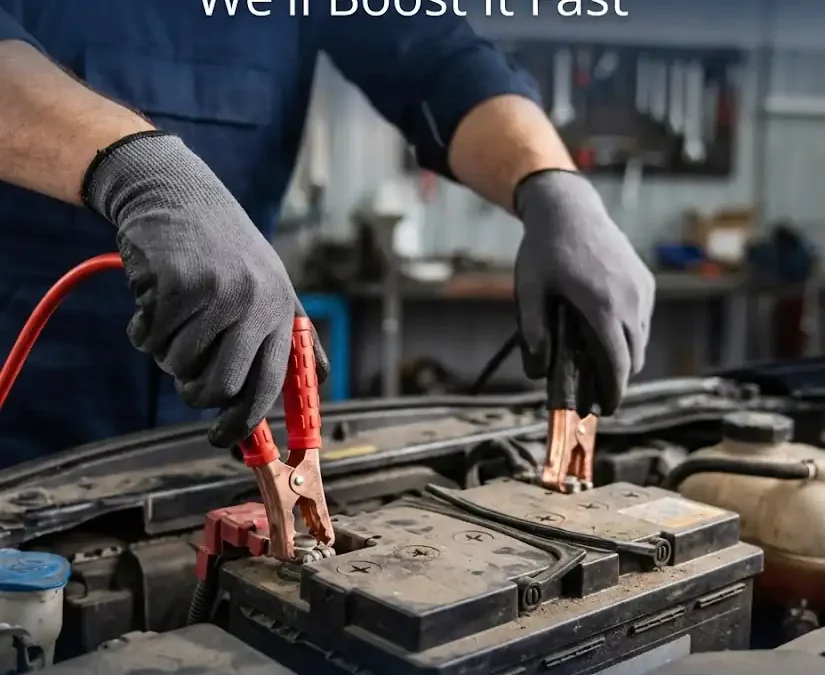
A jump start (also called a boost) uses an external power source — either booster cables from another vehicle or a portable jump pack — to deliver enough electrical current to your dead battery to crank the engine. Once the engine is running, your car’s alternator takes over and recharges the battery as you drive.
A jump start works when the battery is drained but still healthy. Common causes of a drained-but-healthy battery include:
- Leaving headlights or interior lights on overnight — the most common cause of a dead battery
- Leaving a door or trunk slightly ajar — dome lights drain the battery over several hours
- Extreme cold — Quebec winters at -25°C can reduce battery capacity by 50%, making a marginal battery fail to start the engine
- Short trips that do not fully recharge — repeated 5-minute drives do not give the alternator enough time to replenish what the starter motor consumed
- Accessory drain (parasitic draw) — a phone charger, dashcam, or aftermarket stereo left connected can slowly drain the battery over days
- Vehicle sitting unused for weeks — batteries naturally self-discharge over time, especially in cold weather
In all of these cases, a jump start solves the immediate problem. The battery is not damaged — it just needs a kickstart. After 20–30 minutes of driving, the alternator fully recharges it and the car functions normally.
When a Jump Start Is Not Enough
A jump start is a band-aid, not a cure, if the battery itself has reached the end of its life. Here are the signs that you need a replacement, not another boost:
🔴 Battery keeps dying after a jump. If you get a successful jump start but the car is dead again the next morning (or even the same day), the battery is no longer holding a charge.
🔴 Battery is more than 3–4 years old. Car batteries in Quebec last 3 to 5 years on average. Quebec’s extreme temperature swings (from -30°C to +30°C) accelerate internal degradation.
🔴 Engine cranks slowly even after charging. If the engine turns over sluggishly despite the battery being fully charged, internal cell degradation is reducing the battery’s cranking power.
🔴 Swollen or leaking battery case. Physical damage to the battery housing means the internal chemistry has failed. This battery is dangerous and must be replaced immediately.
🔴 Corrosion on terminals. Heavy white or blue-green buildup on the battery posts indicates acid leaking from failed internal seals — a sign the battery is dying.
🔴 Electrical issues after jumping. Flickering headlights, radio resets, erratic dashboard gauges, or a check engine light after a jump can indicate a battery that is too weak to support the car’s electrical system.
⚠️ The 2-Jump Rule: If you need a jump start twice within 30 days and there is no obvious cause (lights left on, long sitting period), your battery is failing. Getting a third jump is a waste of money — invest in a replacement instead and save yourself from being stranded repeatedly.
Quick Decision Guide: Jump Start or Replace?
Use this simple checklist to determine the right action for your situation:
When in doubt, start with a jump. A professional jump start gets you running immediately and gives you time to drive to a shop for a proper battery test. Most auto parts stores test batteries for free — they will tell you if it still holds a charge or needs replacing.
Jump Start vs Battery Replacement: Cost Comparison (2026)
Here is what each option costs in Quebec in 2026:
*Prices vary by vehicle, battery type, and service provider. For exact quotes, call (418) 476-1522. See our full towing and roadside cost guide.
The third row tells the real story: repeatedly jumping a failing battery costs more than just replacing it. Three jumps at $99 each ($297) already exceeds the cost of a new battery ($150–$350) — and you still do not have a working battery. The most cost-effective approach is: one jump to get moving, drive to a battery test, replace if needed.
Quebec Cold and Your Battery: Why Winter Kills Batteries
Quebec’s winters are uniquely destructive to car batteries. The SAAQ recommends that Quebec drivers test their battery before winter and carry booster cables or a portable jump pack. Understanding why cold kills batteries helps you predict when a jump start is enough and when a replacement is inevitable:
- Cold reduces battery capacity. At -20°C, a fully charged battery delivers only about 50% of its rated cranking power. A battery that barely starts your car in autumn will fail completely in January.
- Cold thickens engine oil. The starter motor must work harder to turn a cold engine with thick oil, demanding more current from an already-weakened battery — a double hit.
- Heaters, defrosters, and heated seats increase electrical demand. Winter driving puts a heavier load on the charging system, giving the alternator less opportunity to fully recharge the battery.
- Temperature swings cause physical damage. Quebec’s cycling between deep cold and heated garages expands and contracts the battery’s internal plates, eventually cracking them and causing cell failure.
This is why jump start calls spike every November through March in Quebec. A battery that tested fine in September may fail by December simply because the cold exposed its declining capacity. For winter-specific preparation tips, read our winter breakdown safety guide and our winter driving survival kit.
Dead Battery? We Are Already on the Way.
24/7 car jump start • From $99 • 15-minute on-site service • Quebec City area
How a Professional Jump Start Service Works
When you call Quebec Remorquage for a car jump start, here is what happens:
The operator arrives with professional-grade equipment. Our trucks carry heavy-duty jump packs and booster cables rated for all vehicle types — from compact cars to diesel trucks. Professional equipment delivers a more reliable, safer jump than consumer-grade cables.
Battery and terminals are inspected. Before connecting, the operator checks for corrosion, loose connections, swelling, leaks, and other visible issues that might indicate a deeper problem. If something is wrong, you are told before any work begins.
Cables are connected safely. Positive to positive, negative to a ground point — not to the dead battery’s negative terminal. This standard procedure prevents sparks near hydrogen gas that batteries emit.
Your engine starts. The operator cranks your engine and monitors the electrical system. If the battery accepts the charge and the engine runs normally, the jump is complete.
You receive driving advice. The operator will recommend driving at least 20–30 minutes continuously to allow the alternator to recharge the battery. If they suspect the battery is failing, they will advise you to get it tested that same day. If your car will not start even after jumping, we can transition to a breakdown tow to your mechanic on the same service call.
Can You Safely Jump Start Your Own Car?
Yes — if you have the right equipment, another vehicle or portable jump pack, and follow the correct procedure. However, there are real risks with DIY jumps that make professional service worth considering:
- Reversed polarity — connecting cables backward can fry the ECU (engine control unit), blow fuses, and damage electrical components. This is a $500–$2,000+ mistake.
- Sparks near the battery — batteries emit hydrogen gas. A spark from improper cable connection can ignite it, causing the battery to explode.
- Voltage spikes on modern vehicles — sensitive electronics in modern cars can be damaged by voltage surges from improper jumping technique.
- No diagnosis — a DIY jump gets you running but gives you no information about why the battery died. A professional inspection catches issues a jump alone misses.
💡 If You DIY: Always connect red (positive) first, then black (negative) to a metal ground point on the dead car — never directly to the dead battery’s negative terminal. Remove cables in reverse order. Keep both engines off when connecting. Start the live vehicle first, then attempt the dead one. If nothing happens after 30 seconds of cranking, stop — continued cranking can damage the starter motor.
How to Prevent Dead Battery Situations
Prevention is always cheaper than a jump start. These habits keep your battery healthy through Quebec’s demanding climate:
- Test your battery every fall. Most auto parts stores offer free testing. Replace any battery that tests below 80% capacity before winter arrives.
- Replace proactively at 4 years. Do not wait for it to fail — in Quebec’s climate, a 4-year-old battery is living on borrowed time.
- Use a block heater. Keeping the engine warm reduces the cranking load on the battery. Plug in when temperatures drop below -15°C.
- Drive at least 20 minutes per trip. Short trips do not recharge the battery. If you only make short drives, consider a trickle charger.
- Check for parasitic drain. If your battery dies overnight with no lights left on, have a mechanic check for parasitic electrical draw — a faulty relay, module, or aftermarket accessory may be draining it.
- Clean terminals annually. Corrosion between the cable clamp and battery post creates resistance, reducing charging efficiency. A wire brush and baking soda paste clean them in minutes.
- Keep a portable jump pack. A compact lithium jump starter ($60–$150) fits in the glove box and can start your car without another vehicle. See our winter survival kit guide for recommendations.
For a complete seasonal maintenance checklist, read our post-winter vehicle checkup guide.
Beyond the Battery: Related Roadside Services
A dead battery sometimes comes with other issues. Quebec Remorquage handles it all through our roadside assistance service:
- Jump fails and car still will not start? Breakdown towing to your mechanic
- Flat tire discovered while stopped? Tire change service
- Keys locked inside while troubleshooting? Car unlocking
- Vehicle stuck in snow after stalling? Winching recovery
- Need AWD-safe transport? Flatbed towing
- Accident while stalled? Accident towing with insurance coordination
All services available 24/7 across the Quebec City service area — Sainte-Foy, Beauport, Charlesbourg, Limoilou. No membership required.
Frequently Asked Questions
How much does a jump start cost in Quebec?
A professional car jump start in the Quebec City area costs $99 to $150 depending on time of day and vehicle type. The service includes dispatch, on-site battery inspection, professional-grade jump equipment, and startup confirmation. Call (418) 476-1522 for exact pricing.
How do I know if I need a jump start or a new battery?
If the battery died from an obvious cause (lights left on, sat unused for weeks, extreme cold), a jump start is usually sufficient. If the battery dies repeatedly without explanation, is more than 3–4 years old, or shows physical damage, you need a replacement. After any jump, get the battery tested at an auto parts store for a definitive answer.
Can a jump start damage my car?
A properly performed jump start does not damage your car. The risk comes from reversed cables (wrong polarity) or connecting to the wrong points, which can damage electronic systems. Professional operators eliminate this risk by following standardized procedures and using equipment with built-in polarity protection.
How long should I drive after a jump start?
Drive at least 20 to 30 minutes continuously after a jump start. This gives the alternator enough time to recharge the battery. Highway driving at steady speeds is more effective than stop-and-go city driving. Avoid turning the car off immediately after a jump — if the battery is marginal, it may not restart.
Is jump start service available 24/7?
Yes. Quebec Remorquage provides car jump start service 24 hours a day, 7 days a week, including holidays. Dead batteries are most common on cold winter mornings and after long weekends when vehicles sit unused — we are fully staffed during these peak periods.
What if a jump start does not work?
If your car does not start after a professional jump, the problem is likely beyond the battery — a failed starter motor, fuel system issue, or severe battery failure. Our operator can arrange a tow to your mechanic on the same service call. You pay only for the services provided.
How long do car batteries last in Quebec?
Car batteries in Quebec typically last 3 to 5 years. The province’s extreme temperature swings — from -30°C winters to +30°C summers — accelerate battery degradation faster than moderate climates. Testing annually after year 3 and replacing proactively at year 4 is the recommended approach for Quebec drivers.
Does insurance cover jump start service?
Many auto insurance policies include basic roadside assistance that covers battery boost and jump start service. Check your policy or call your insurer before paying out of pocket. Even without insurance coverage, a professional jump start at $99–$150 is far more affordable and safer than risking a DIY mistake.
Can you jump start a diesel truck?
Yes. Diesel engines require more cranking power due to higher compression ratios, but our professional jump packs are rated for diesel vehicles. Larger diesel trucks may have dual batteries — our equipment handles both single and dual battery systems. Let the dispatcher know you have a diesel so we bring the appropriate equipment.
Should I buy a portable jump starter?
A portable lithium jump starter ($60–$150) is a smart investment for Quebec drivers — especially if you drive older vehicles or park outdoors in winter. They are compact enough to fit in a glove box, start most cars multiple times on a single charge, and eliminate the need for another vehicle. Keep one charged and in the car as part of your winter emergency kit.
Dead Battery? One Call. Running in 15 Minutes.
24/7 professional car jump start service across Quebec City.
Gas and diesel. All vehicle types. On-site battery inspection included.