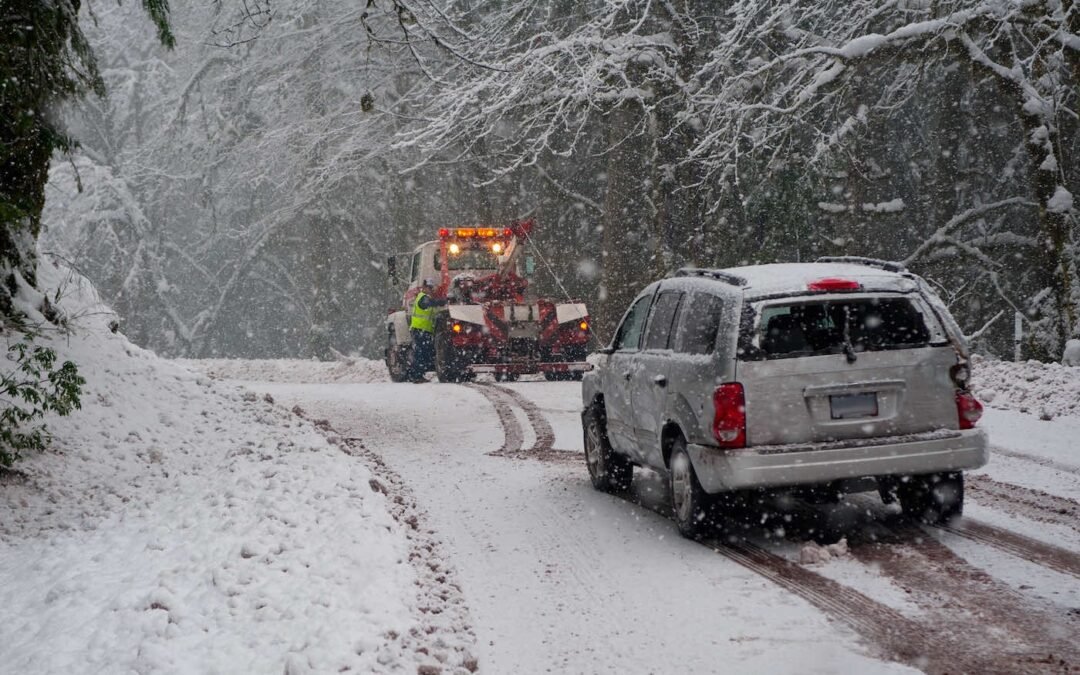
Car Breakdown in Winter, Quebec? 7 Steps to Stay Safe
A car breakdown is stressful any time of year, but when it happens during a Quebec winter—with temperatures dropping well below freezing and snow blanketing the roads—it can quickly become dangerous. Knowing exactly what to do in those critical first minutes can keep you safe, warm, and help you get back on the road faster.
Whether your engine dies on Autoroute 40, your battery fails in a parking lot, or you experience mechanical trouble on a quiet residential street, this guide will walk you through the exact steps to take when your car breaks down in winter. We’ll also explain when you should call for professional roadside assistance instead of trying to fix things yourself.
Why Winter Breakdowns Are More Common in Quebec
Quebec’s harsh winters put extreme stress on vehicles. Temperatures regularly drop to -20°C or colder, freezing engine fluids, draining batteries, and making mechanical components brittle and prone to failure.
Cold weather causes car batteries to lose up to 60% of their power, making them the number one cause of winter breakdowns. Engine oil thickens in extreme cold, making it harder for engines to turn over. Tire pressure drops about 1 PSI for every 5°C temperature decrease, reducing traction and increasing the risk of flats. Fuel lines can freeze if moisture gets into the tank, and alternators work harder to charge cold batteries, leading to electrical system failures.
Add snow-covered roads, ice, limited visibility, and shorter daylight hours, and you have the perfect conditions for both mechanical failures and accidents. That’s why being prepared isn’t optional—it’s essential for every Quebec driver from December through March.
7 Critical Steps to Take When Your Car Breaks Down in Winter
Follow these steps in order to maximize your safety and increase your chances of getting help quickly.
Step 1: Get Your Vehicle to Safety Immediately
The moment you realize your car is having trouble, your first priority is getting out of traffic. Turn on your hazard lights immediately—even before you’ve fully stopped—to alert drivers behind you.
If your vehicle is still moving, try to reach the shoulder or a parking lot. Aim for the right side of the road where possible, as this keeps you away from passing traffic. If you’re on a highway, get as far right as you safely can, ideally beyond the white line marking the shoulder.
If your car stops completely in a travel lane and won’t move, turn on your hazards and carefully exit from the passenger side if it’s safe to do so. Never stand behind or directly in front of your vehicle—distracted or sliding drivers might not stop in time.
Important: If you’re stuck in a dangerous location like the middle of a highway lane, a blind curve, or an area with heavy traffic, stay inside your vehicle with your seatbelt fastened and call for emergency help immediately at (418) 476-1522.
Step 2: Make Your Vehicle Visible
Winter breakdowns often happen in low-light conditions—early mornings, evenings, or during snowstorms with poor visibility. Making your vehicle as visible as possible prevents additional collisions.
Keep your hazard lights flashing continuously. Turn on your interior dome light, especially at night or during storms—it makes your vehicle much easier to spot from a distance. If you have reflective warning triangles or road flares, place them behind your vehicle at 50, 100, and 150 feet intervals if it’s safe to exit and do so.
If you don’t have safety equipment, improvise. Tie a bright-colored cloth to your antenna, mirror, or door handle. Prop open your hood slightly (not fully, as this can fill your engine bay with snow) as a universal distress signal.
Step 3: Stay With Your Vehicle
Unless you can see a building or business within easy walking distance, stay inside your car. Your vehicle provides shelter from wind, snow, and freezing temperatures that can quickly lead to hypothermia or frostbite.
Wandering away from your vehicle in a snowstorm is extremely dangerous. Visibility can drop to near zero, making it easy to become disoriented and lost even if you’re only a few hundred meters from safety. Search and rescue teams will look for your vehicle first—if you’ve left it, you’re much harder to find.
Lock your doors and stay inside with your seatbelt on if you’re near traffic. If someone stops to help, you can speak through a cracked window without fully opening the door. If they offer to call for help, provide our number: (418) 476-1522.
Step 4: Stay Warm Without Running Out of Fuel
Staying warm is critical, but you need to balance warmth with fuel conservation—you don’t know how long you’ll be waiting for help.
Run your engine for 10 minutes every hour to generate heat, then shut it off to conserve fuel. Before starting the engine each time, go outside and make sure your exhaust pipe is completely clear of snow and ice. A blocked exhaust can cause deadly carbon monoxide to build up inside your vehicle.
When the engine is off, use blankets, extra clothing, or even floor mats for insulation. Put on your winter coat, hat, and gloves. Layer newspapers or cardboard under you if you’re sitting still for a long time—cold rises from the ground through your seat.
Crack a window slightly (about half an inch) whenever the engine is running to ensure fresh air circulation and prevent carbon monoxide buildup, especially if snow is accumulating around your vehicle.
Step 5: Call for Professional Help
Once you’re safe and warm, it’s time to call for assistance. Quebec Remorquage provides 24/7 emergency towing and roadside service throughout Quebec, no matter the weather conditions.
When you call (418) 476-1522, our dispatcher will ask for your exact location, the nature of your problem, and whether anyone needs medical attention. We’ll send the nearest available truck with an accurate ETA sent directly to your phone via text.
Common winter breakdown services we provide include battery boosts, flat tire changes, fuel delivery, lockout service, winch-outs from snow or ice, and emergency towing to your preferred mechanic.
If you’re in immediate danger or someone is injured, call 911 first, then call us for vehicle recovery once everyone is safe.
Step 6: Use Your Emergency Supplies
If you’re prepared with a winter emergency kit (more on this below), now is the time to use it. Every Quebec driver should carry essential supplies during winter months.
Drink water to stay hydrated—dehydration happens even in cold weather. Eat high-energy snacks to maintain body heat. Use your flashlight to signal for help or inspect your vehicle if needed. Keep your phone charged using a car adapter or portable battery pack so you can receive updates from emergency services.
If you’re stuck overnight or for an extended period, ration your supplies carefully. Continue running your engine periodically for heat, always checking the exhaust first.
Step 7: Assess What You Can (and Can’t) Fix Yourself
Some winter breakdown issues are simple enough to handle roadside, while others absolutely require professional help. Here’s how to tell the difference.
You might be able to fix these yourself:
- Dead battery: If you have jumper cables and another vehicle stops to help, a jump start might get you going (though the battery should be tested afterward)
- Flat tire: If you have a spare, jack, and lug wrench, and you’re in a safe location away from traffic, you can attempt a tire change
- Out of fuel: If you ran out of gas and have a jerry can, a short walk to a gas station might be feasible in good weather and daylight
Call for professional help for these situations:
- Engine won’t turn over or makes grinding/clicking sounds
- Steam or smoke coming from under the hood
- Warning lights illuminated (check engine, oil pressure, temperature)
- Strange smells (burning, fuel, exhaust)
- Vehicle stuck in snow, ditch, or off the road
- Transmission problems (won’t shift, slipping gears)
- Brake failure or steering issues
- You’re in an unsafe location or extreme weather
When in doubt, call (418) 476-1522. Our operators can assess your situation over the phone and advise whether you need immediate towing or if there’s a simple fix you can try first.
What NOT to Do During a Winter Breakdown
These common mistakes put drivers at risk or make bad situations worse.
- Don’t leave your vehicle to walk for help unless you can clearly see a building nearby (under 200 meters) and weather conditions are safe
- Don’t accept rides from strangers—ask them to call for help instead
- Don’t run your engine continuously without checking the exhaust pipe regularly for snow blockage
- Don’t attempt roadside repairs on highways, busy roads, or in dangerous weather
- Don’t stand behind or in front of your vehicle where oncoming traffic might strike you
- Don’t try to push your vehicle in freezing conditions—ice makes it nearly impossible and you risk injury
- Don’t ignore warning lights or strange sounds—continuing to drive can cause catastrophic damage
- Don’t panic—stay calm, call for help, and wait safely inside your vehicle
Winter Emergency Kit Every Quebec Driver Needs
Prepare before breakdown season hits. Keep these items in your vehicle from November through April:
Essential Survival Items
- Heavy wool blankets or sleeping bag
- Extra winter clothing (coat, gloves, hat, boots)
- Flashlight with extra batteries (or hand-crank model)
- Bottled water (at least 2 liters per person)
- Non-perishable high-energy snacks (granola bars, nuts, dried fruit)
- First aid kit with basic medications
- Portable phone charger (fully charged battery pack)
- Matches or lighter in waterproof container
Vehicle-Specific Tools
- Jumper cables or portable battery booster
- Ice scraper and snow brush
- Small shovel (collapsible models save space)
- Traction aids (sand, cat litter, or traction mats)
- Reflective warning triangles or road flares
- Tow strap rated for your vehicle’s weight
- Basic tool kit (screwdrivers, pliers, adjustable wrench)
- Duct tape and zip ties
Communication & Visibility
- High-visibility safety vest
- Whistle for signaling
- Bright-colored cloth to tie to antenna
- Notepad and pen for leaving notes
Store everything in a waterproof container or duffel bag in your trunk. Check and refresh supplies at the start of each winter season.
Quebec Winter Driving Laws You Need to Know
Quebec has specific regulations designed to improve winter road safety. Violating these rules can result in fines and insurance complications if you break down or have an accident.
- Winter tires are mandatory from December 1 to March 15 for all passenger vehicles registered in Quebec
- Tires must display the three-peaked mountain snowflake symbol (not just M+S marking)
- Minimum tread depth is 4.8mm, though 6mm is recommended for safety
- Fines for non-compliance range from $200-$300 per offense
- Insurance may deny claims if your vehicle wasn’t equipped with proper winter tires
- Snow removal parking bans vary by municipality—check local regulations to avoid towing
Proper winter tires significantly reduce breakdown risk by improving traction, reducing stopping distances, and preventing you from getting stuck in the first place. It’s not just about avoiding fines—it’s about staying safe on Quebec’s winter roads.
Common Causes of Winter Car Breakdowns
Understanding what typically fails in winter helps you take preventive measures before problems occur.
Dead Battery (Most Common)
Cold weather reduces battery capacity by up to 60%. Combined with increased electrical load from heaters, defrosters, and lights, batteries often can’t provide enough power to start the engine. Have your battery tested before winter and replace it if it’s more than 3-4 years old. If you need emergency battery service, we offer fast battery boost service anywhere in Quebec.
Frozen Fuel Lines
Water condensation in your fuel tank can freeze, blocking fuel flow to the engine. Keep your gas tank at least half-full during winter to minimize condensation and add extra weight for traction.
Tire Issues
Under-inflated tires (from cold-weather pressure loss), worn tread, or sudden flats are common. Check tire pressure weekly in winter and inspect for damage. We provide 24/7 emergency tire change service if you experience a flat.
Cooling System Problems
Insufficient antifreeze allows coolant to freeze, causing engine overheating or cracking. Have your coolant tested and flushed if needed before temperatures drop.
Starter and Alternator Failure
These components work harder in cold weather and can fail without warning. Listen for slow cranking or dimming lights—early warning signs of electrical system problems.
How Quebec Remorquage Helps During Winter Breakdowns
When you call us for winter breakdown assistance, here’s exactly what happens:
- 24/7 Dispatch: Our lines are always open. We answer immediately and begin coordinating help while you’re still on the phone.
- Location Verification: We confirm your exact location using GPS or landmarks you provide, ensuring our driver finds you quickly.
- Service Selection: Based on your description, we determine whether you need a battery boost, tire change, winch-out, or full towing service.
- Fast Response: We dispatch the nearest available truck equipped for winter conditions with proper tools and equipment.
- Real-Time Updates: You’ll receive text messages with our driver’s ETA and status updates.
- Professional Service: Our experienced operators assess the situation, perform necessary repairs or recovery, and ensure you’re safe.
- Transportation Options: If towing is needed, we take you to your preferred Quebec mechanic or provide alternative transportation if available.
We serve all Quebec areas including Limoilou, Beauport, Sainte-Foy, Charlesbourg, Old Quebec, and surrounding communities.
Need help right now? Call (418) 476-1522 for immediate winter breakdown assistance.
Frequently Asked Questions
What should I do first if my car breaks down in winter?
Turn on your hazard lights immediately and safely move your vehicle out of traffic if possible. Once stopped, make your vehicle visible, stay inside with the doors locked, and call for professional roadside assistance at (418) 476-1522. Do not leave your vehicle unless you’re in immediate danger or can see shelter very nearby.
How long can I safely run my car while waiting for help in winter?
Run your engine for 10 minutes every hour to generate heat, then turn it off to conserve fuel. Always check that your exhaust pipe is clear of snow before starting the engine—a blocked exhaust can cause deadly carbon monoxide to accumulate inside your vehicle. Crack a window slightly for ventilation whenever the engine is running.
Should I try to fix my car myself in winter or call for help?
Only attempt DIY fixes if you’re in a safe location away from traffic, have proper tools, and the problem is simple (like jump-starting a battery with help from another driver). Call for professional help if you’re on a highway, in dangerous weather, don’t have proper equipment, or if the problem involves the engine, transmission, brakes, or steering.
What’s the most common cause of winter car breakdowns?
Dead batteries cause the majority of winter breakdowns. Cold temperatures reduce battery capacity by up to 60%, and increased electrical demands from heaters and defrosters drain batteries faster. Have your battery tested before winter and replace it if it’s more than 3-4 years old to prevent breakdowns.
How much does emergency roadside assistance cost in Quebec?
Costs vary depending on the service required and your location. Basic services like battery boosts and tire changes start at affordable rates, while towing depends on distance. Call us at (418) 476-1522 for an upfront quote before we dispatch—we provide transparent pricing with no hidden fees.
Is winter roadside assistance available during snowstorms?
Yes, Quebec Remorquage operates 24/7/365, including during severe winter weather. Our trucks are equipped for harsh conditions and our drivers are experienced in winter recovery operations. Winter storms are when you need us most, and we’re always ready to respond regardless of weather.
What if I’m stuck on a highway during rush hour?
If you break down in a dangerous location like a highway travel lane or shoulder during heavy traffic, stay in your vehicle with your seatbelt fastened, turn on hazards, and call for help immediately. Do not exit the vehicle or attempt repairs. Our dispatch prioritizes dangerous situations and coordinates with police if needed to ensure your safety.
Does insurance cover winter breakdown assistance?
Many Quebec auto insurance policies include roadside assistance coverage. Check your policy or contact your insurer to confirm. Even without coverage, professional service is affordable and prevents vehicle damage that could cost thousands in repairs. We work directly with insurance companies for accident towing when applicable.
Stay Safe on Quebec’s Winter Roads
Winter breakdowns are stressful, but knowing what to do keeps you safe and helps you get assistance faster. Remember the key steps: get to safety, make yourself visible, stay with your vehicle, stay warm, and call for professional help when needed.
Quebec Remorquage is here for Quebec drivers 24/7, providing fast, professional winter breakdown assistance throughout the region. Whether you need a simple battery boost or emergency towing in a snowstorm, we respond quickly with experienced operators and proper equipment.
Prepare your vehicle before winter hits, keep an emergency kit in your car, and save our number in your phone. When winter breakdowns happen—and they do happen to everyone eventually—you’ll know exactly who to call.
Winter breakdown? We’re here to help. Call (418) 476-1522 now for 24/7 emergency roadside assistance anywhere in Quebec.